
Sergio Goschenko
Key Takeaways
- Switzerland voted 54.79% against the SVP initiative, next securing vital access to European markets.
- With 27.5% of residents being immigrants, Enmetena Advisory noted a no vote protects tax markets.
- Displaced International warned that a similar 10M cap proposal could return, keeping long-term market policy unstable.
Swiss Reject Population Cap Initiative In Historic Referendum
Switzerland has rejected a controversial initiative that would have amended the constitution to include a population cap of 10 million.
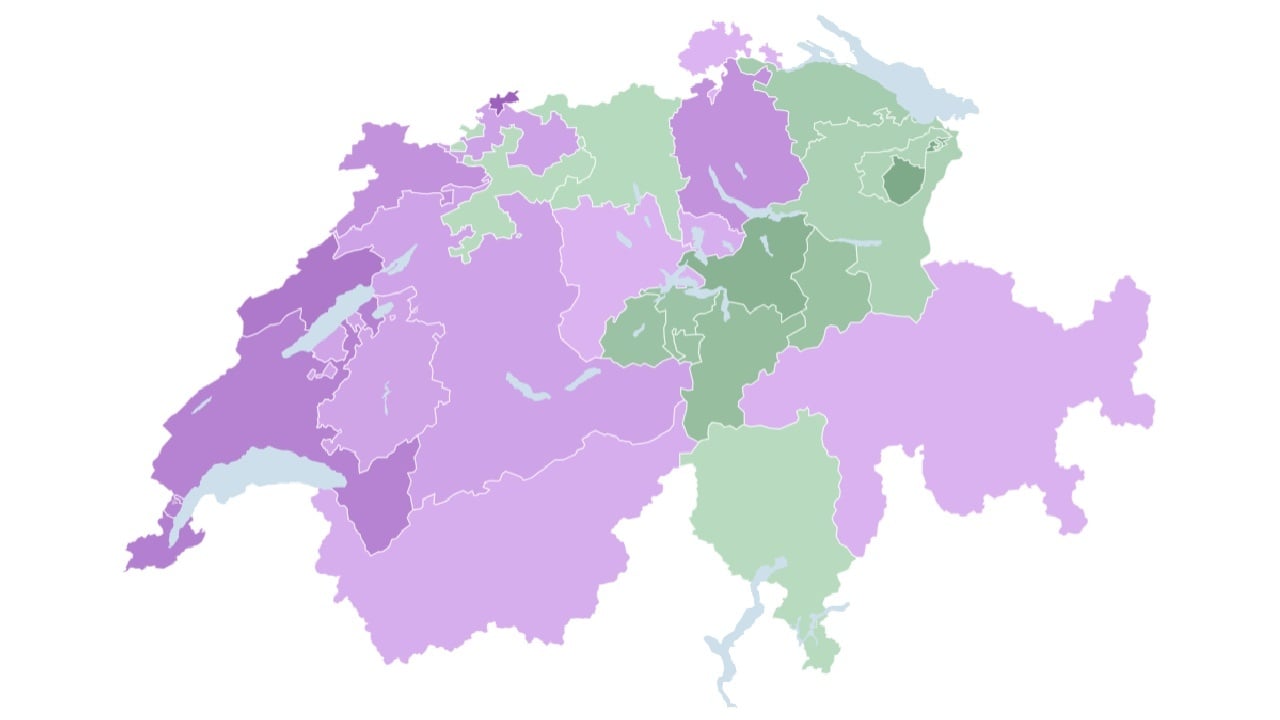
The proposal, promoted by the Swiss People’s Party (SVP) as a sustainability measure to curb immigration, failed to pass. According to the Federal Statistical Office, 54.79% of the voters rejected the initiative, while 45.21% supported it, even when immigrants comprise around 27.5% of the total permanent population. The referendum had a turnout of 58.86%.
Surveys leading to the vote were divided, with early ones indicating that the proposal would pass. Nonetheless, the possible repercussions of this measure might have scared some supporters in the end.
The vote sharply divided the country in two, with supporters claiming that the goal was to lessen the pressure of increased immigration on the country’s transport and health infrastructure. Those who opposed it argued that, if passed, it would risk Switzerland’s access to European markets, including relevant economic groups.
This divide manifested at the polls. Enmetena Advisory’s founder and principal, Maximilian Hess, indicated that corporative tax haven cantons voted broadly against, while personal income tax havens inclined to support the initiative.
The amendment would have given the Federal Council and Parliament power to “take measures, particularly in the areas of asylum and family reunification” if the permanent resident population exceeded 9.5 million before 2050. This could lead to the termination of the free movement of persons agreement with the European Union and other bilateral agreements to curb population growth.
Displaced International, a U.S. nonprofit, stressed that even while the proposal was rejected, “the danger is that future proposals may return in softer language while pursuing the same outcome: making access to protection, asylum, family unity, and legal stability conditional on political anxiety over numbers.”

